
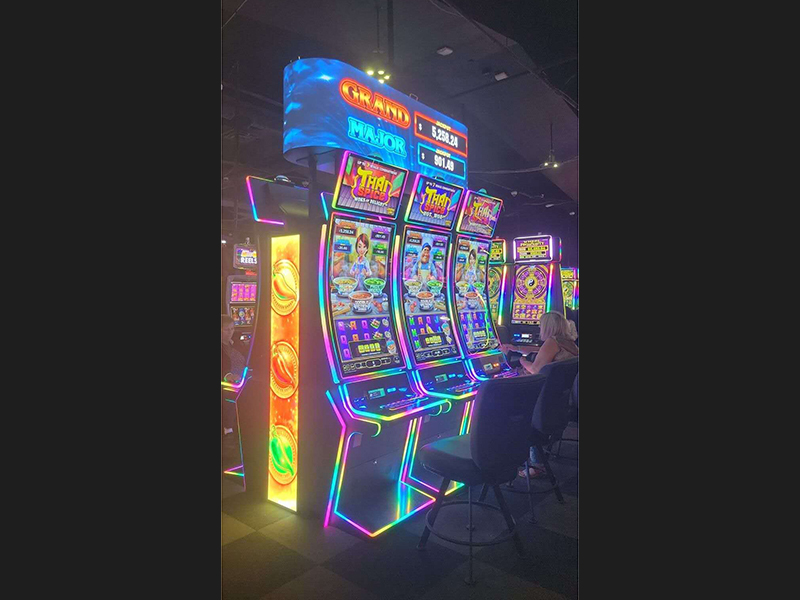
An indoor LED display is a high-resolution digital screen designed for clear, close-range viewing inside buildings such as offices, malls, control rooms, and event spaces. Compared with traditional LCD video walls, indoor LED displays offer seamless visuals, flexible sizing, and a much longer lifespan. Compared to outdoor LED displays, the indoor has higher human controllability; it has lower requirements for protection level.
Indoor LED Screen
What should you know about indoor LED displays to make an informed decision? Let's explore.
1. What Is an Indoor LED Display?
Key Features
Smaller Pixel Pitch and Higher Resolution
Tight pixel spacing delivers sharp images for close-range viewing.
Seamless Design
LED panels connect without visible seams, offering a continuous viewing experience.
Wide Viewing Angles
Ensures consistent visual quality from various angles.
Customizable Sizes
Modular designs allow displays to fit any space requirement.
Smooth Image Quality with Balanced Brightness
Bright enough for indoor lighting without causing eye fatigue.
Energy-Efficient Operation
Modern LED modules consume less power and generate less heat.
Long Service Life
Most indoor LED displays run reliably for 80,000–100,000 hours.
Centralized Content Control
Cloud-based systems allow easy scheduling and real-time updates.
Flexible Design Options
Screens can be flat, curved, or custom-shaped to fit the space.
Based on the installation method, indoor LED displays can currently be divided into three main categories:
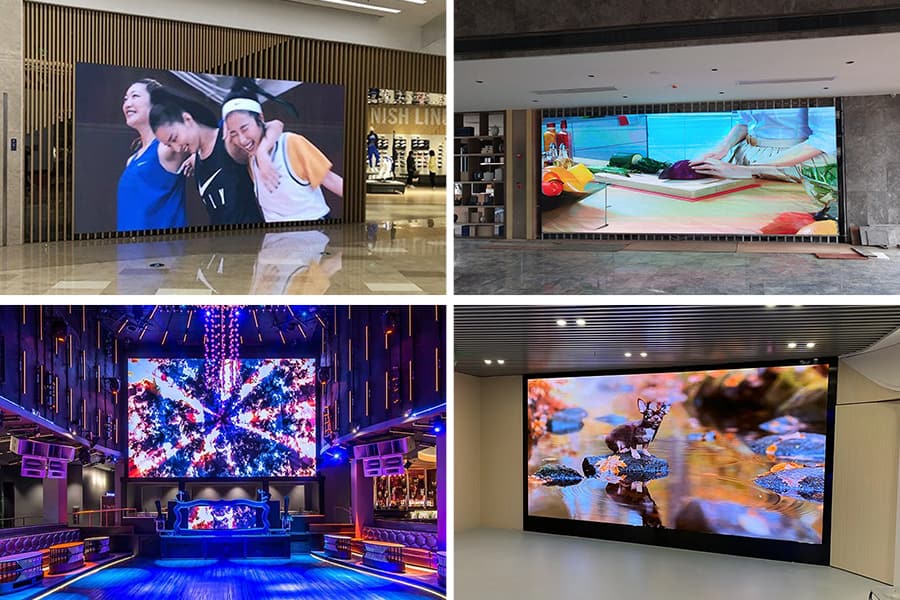
Fixed Installation LED Display Screens
Fixed screens are used in long-term fixed scenarios such as shopping malls, buildings, and stadiums.
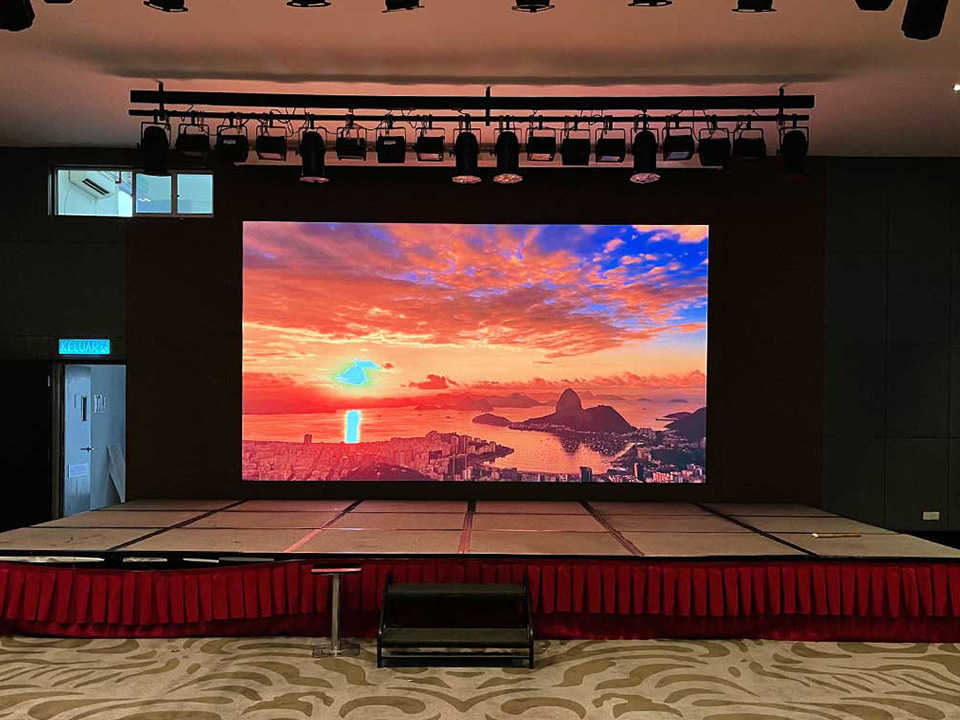
Rental LED Display Screens
Rental screens are designed for short-term events such as concerts, exhibitions, and press conferences, and require frequent moving and disassembly.
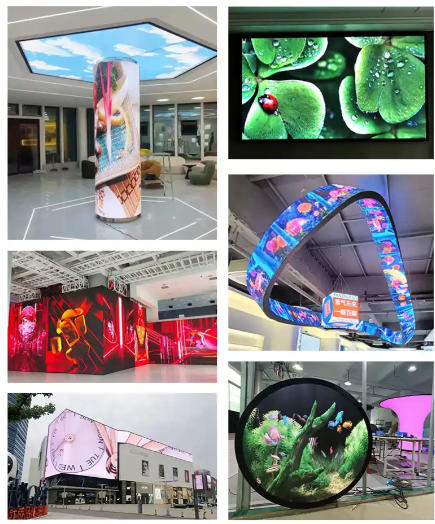
Irregularly Shaped LED Display Screens
With its flexible design capabilities, LED irregular-shaped displays have been widely used in commercial displays, exhibitions, cultural tourism, performing arts venues, outdoor media, exhibition halls and plazas, architectural decoration and other fields.
2. Indoor LED Display Price
Indoor LED signs prices vary widely, from a few thousand dollars for small installations to tens of thousands for large, high-resolution video walls.
In most commercial projects, indoor LED screens typically cost $450 to over $3,000 per square meter, depending on pixel pitch, screen size, brightness, control system, and installation method.
Pixel Pitch
A smaller pixel pitch offers higher resolution but comes at a higher cost.
Screen Size
Larger displays naturally require more LEDs, increasing the cost.
Custom Features
Add-ons like curved designs or interactive touch capabilities can affect the price.
Quality & Brand
Established brands may charge more but often provide better quality and reliability.
On average, prices range from $1,500 to $5,000 per square meter. Prioritize long-term value and performance to avoid higher maintenance costs later.
Typical Indoor LED Display Price Ranges
Small displays
$5,000 - $15,000+
Medium displays
$15,000 - $50,000+
Large displays
$50,000 - $100,000+
3. Where Can You Use It?
Retail Stores & Shopping Malls
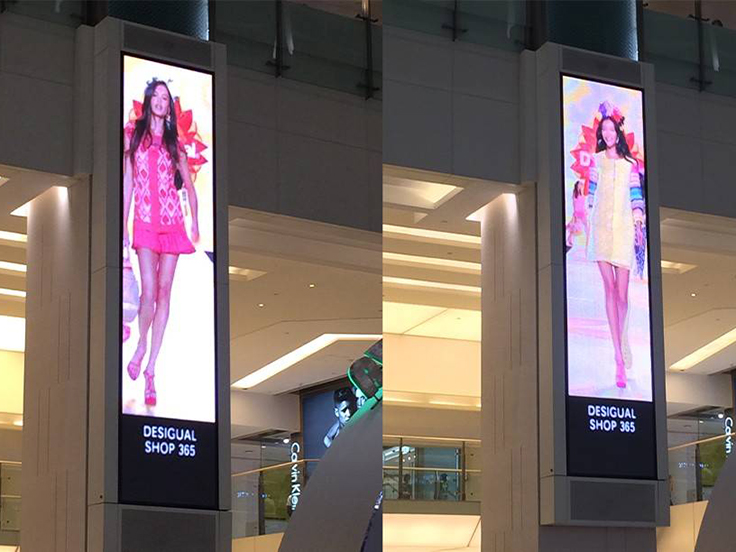
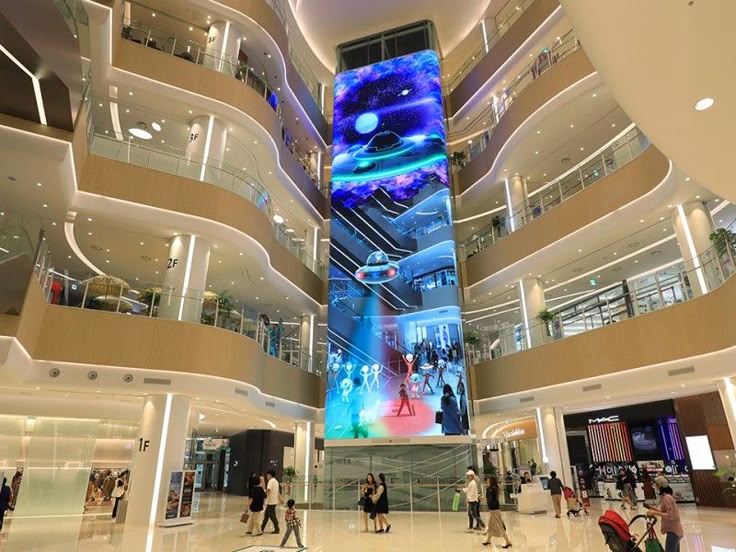
Retail stores and shopping malls use indoor LED displays to promote products, highlight offers, and tell brand stories more engagingly. High resolution, vivid colors, and controlled brightness help these screens stand out without overwhelming shoppers.
Corporate Offices & Meeting Rooms
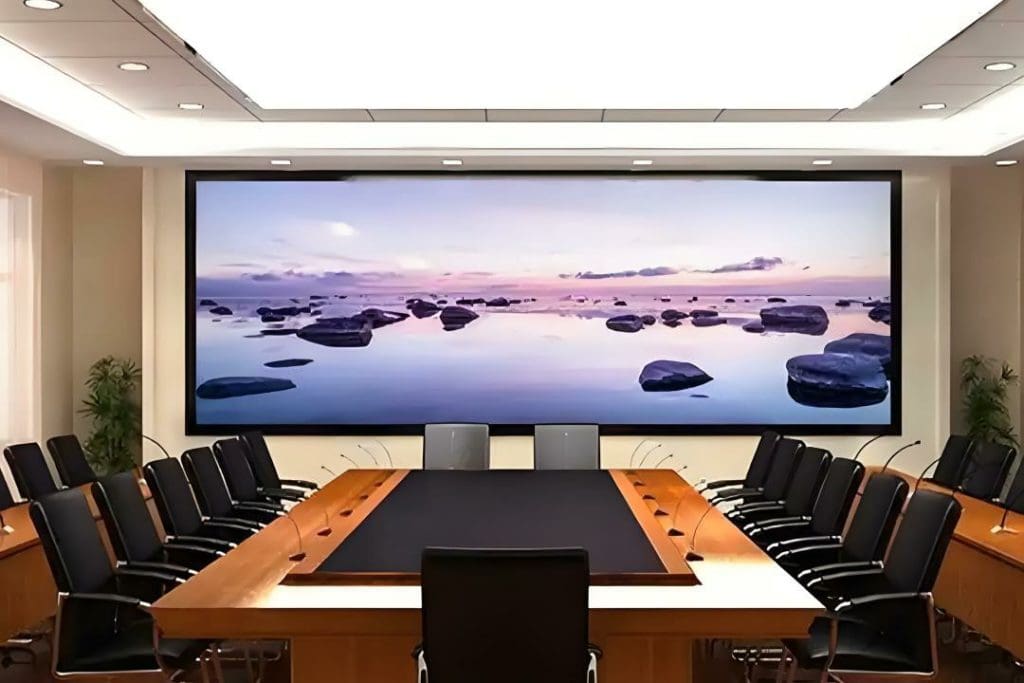
Corporate offices rely on indoor LED displays for lobby branding, internal presentations, and video conferencing. In meeting rooms, the seamless screen surface makes charts, text, and shared content easier to read than traditional LCD setups—especially when people sit close to the screen.
Churches, Auditoriums & Educational Spaces
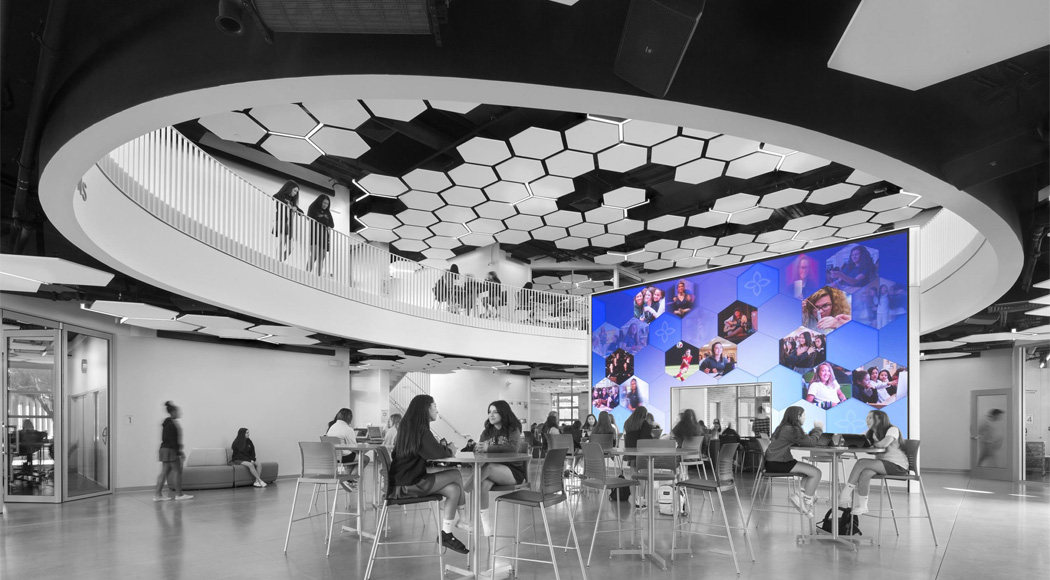
Churches, auditoriums, and schools use indoor LED displays for sermons, lectures, event visuals, and daily announcements. High resolution and wide viewing angles ensure people in the back rows can clearly read text.
Airports, Railway Stations & Terminals
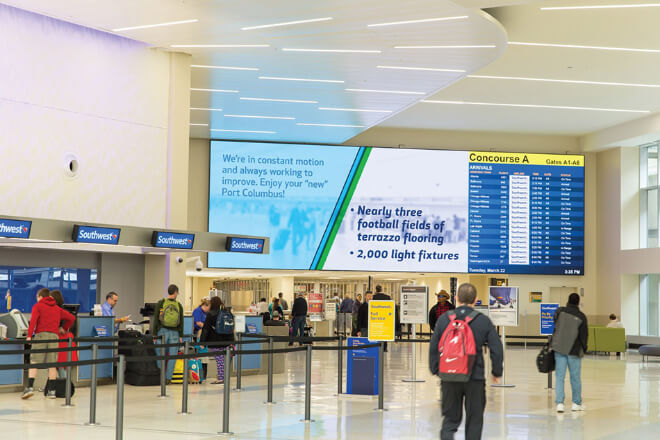
Airports, railway stations, and transport terminals use indoor LED displays to share real-time information such as departures, arrivals, and wayfinding. These screens stay readable under strong indoor lighting.
Bars & Entertainment Venues
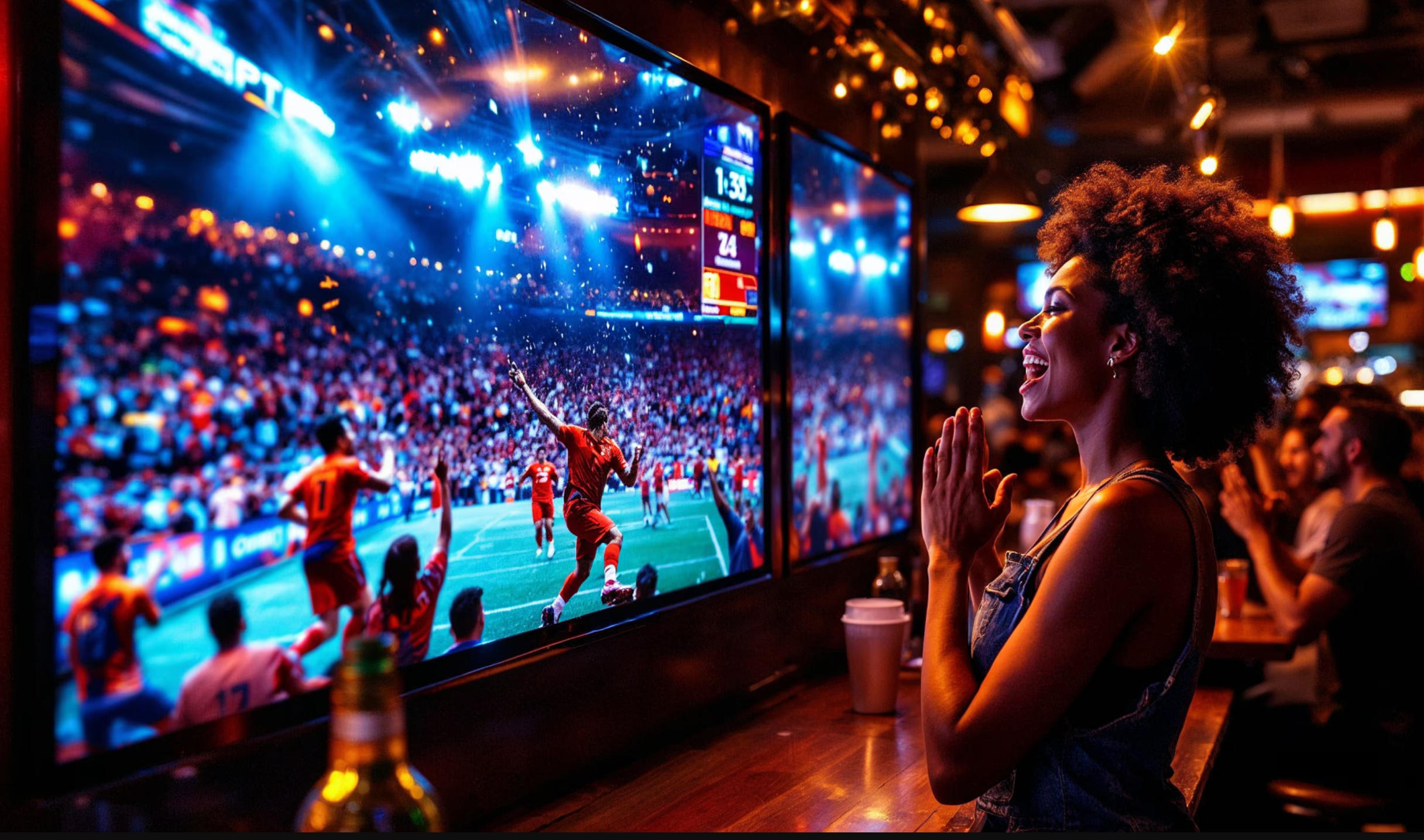
Bars, lounges, and entertainment venues use indoor LED displays to enhance atmosphere and engagement. These screens are commonly used for digital menus, live sports, music visuals, promotions, and game scores.
Conclusions
In summary, indoor LED displays offer eye-catching solutions that enhance advertising effectiveness while controlling costs. If you are looking for an LED display indoor solution, please contact us right now. We will offer professional answers, service, and perfect LED display solutions.


 Huafafengshang, Doumen District, Zhuhai, Guangdong, China
